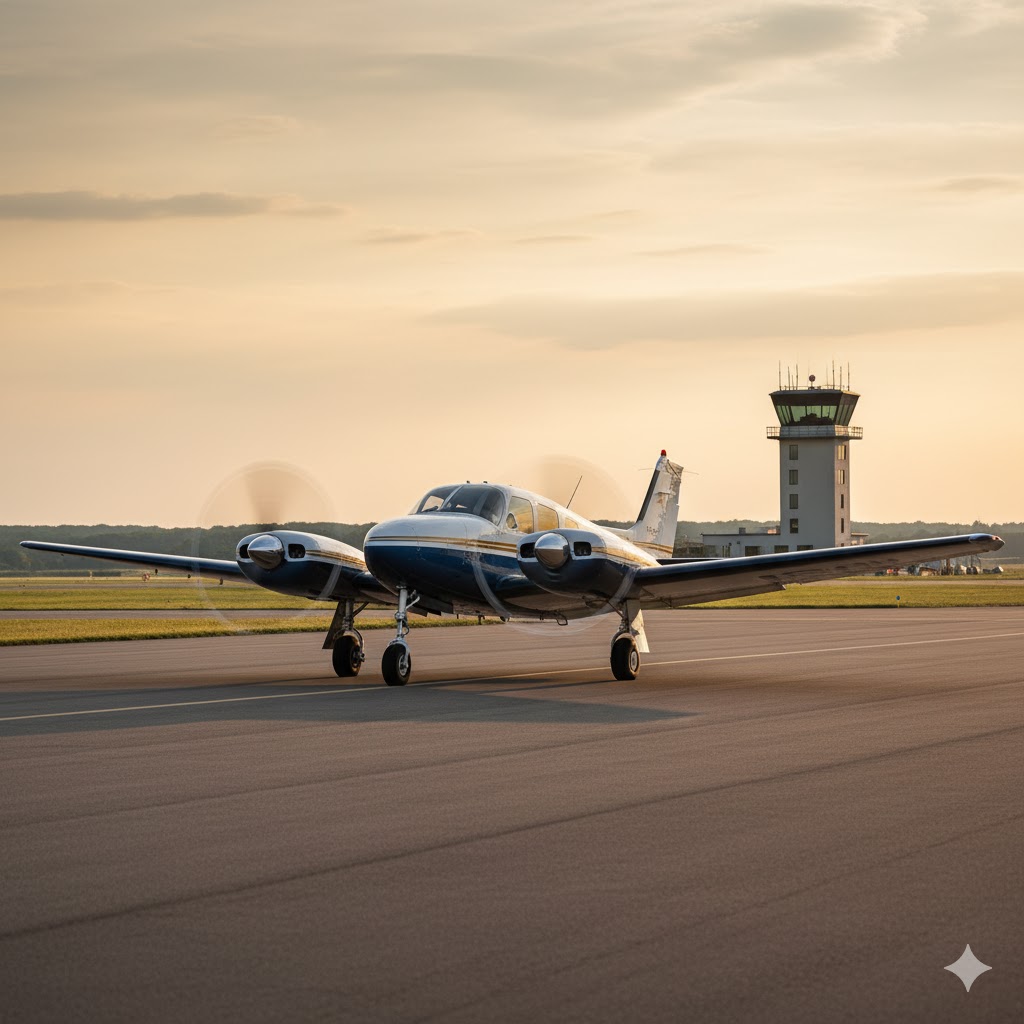
On August 31st at approximately 10:40 a.m. local time, a midair collision occurred between two general aviation aircraft, Cessna 172 and an Extra Flugzeugbau EA30, during approach operations at Fort Morgan Municipal Airport, Colorado. Each aircraft carried two people onboard. The incident falls under the investigative jurisdiction of the National Transportation Safety Board, which will lead the inquiry with support from the Federal Aviation Administration. All subsequent information releases will come from the NTSB so we will have to wait some time before full analysis but how can these types of collisions be avoided with some best practices.
Common Factors in Landing Pattern Collisions:
- Radio Communication Issues: Pilots not using proper radio procedures or monitoring the correct frequency.
- Checking Final: make sure final is clear before turning base to final.
- Visual Scanning: Failure to maintain adequate visual lookout for other aircraft
- Traffic Pattern Procedures: Not following standard traffic pattern entry, spacing, or sequencing
- Weather Conditions: Visibility, sun glare, or other weather factors affecting pilot vision
Typical Prevention Measures:
- Proper Radio Usage: Announcing position and intentions on the Common Traffic Advisory Frequency (CTAF)
- Standard Traffic Patterns: Following established left or right traffic patterns
- Visual Scanning: Continuous scanning for other aircraft, especially in the pattern
- Transponder Use: Operating transponders for traffic awareness systems
- Airport Advisory Services: Some airports have Flight Service Station advisories
For Current Information:
I’d recommend checking:
- NTSB website (ntsb.gov) for preliminary and final reports
- FAA accident database
- Local news sources in the Fort Morgan, Colorado area
- Aviation Safety Network or similar aviation safety databases
The NTSB investigation will likely take months to complete, with a preliminary report typically released within 30 days and a final report taking 1-2 years.